Seasonal Hair Care Routine: What to Change Each Season
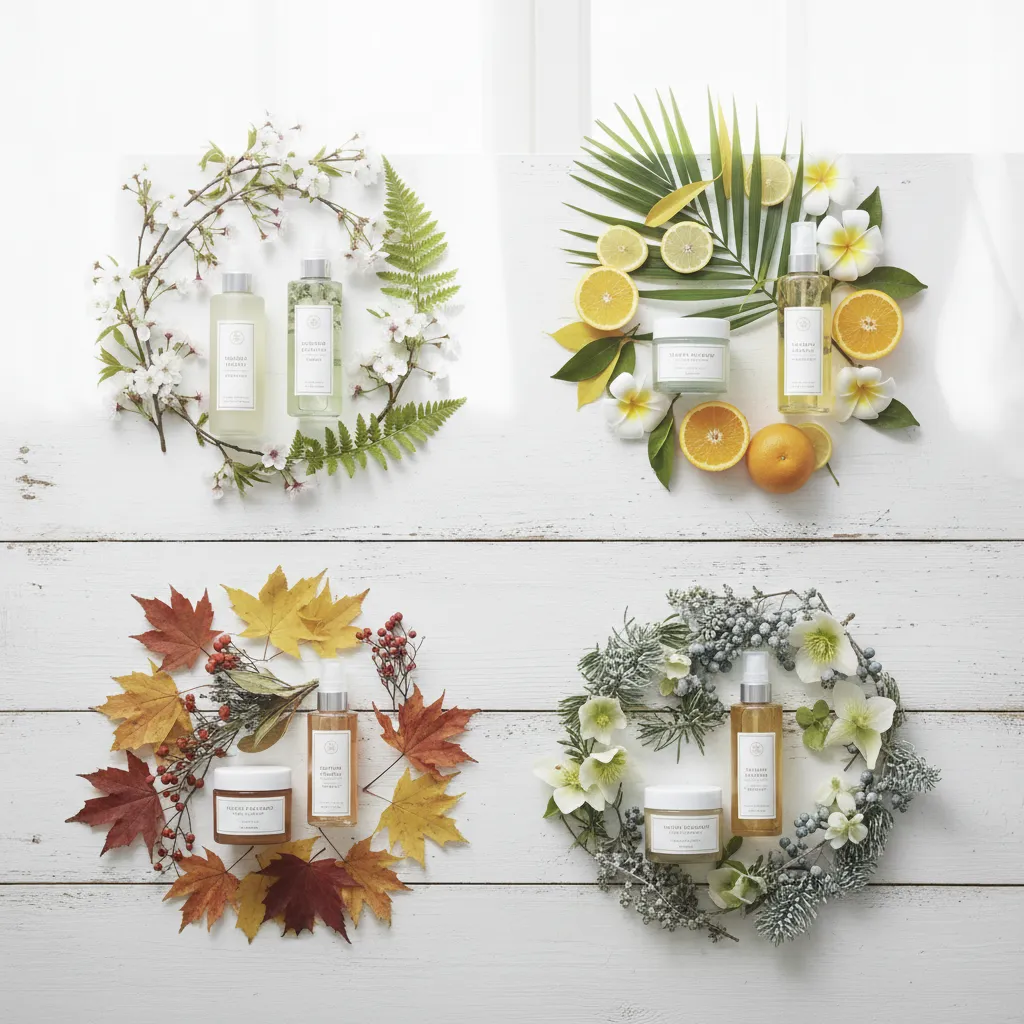
Your hair deals with completely different conditions in January than it does in July. Cold, dry indoor heat in winter strips moisture. Summer humidity and UV exposure break down color and structure. Yet most of us use the same shampoo, conditioner, and styling products all year long.
The hair cuticle responds directly to temperature and humidity. When those conditions shift, your products should shift too. Here is what to swap, add, or drop every three months.
Winter Hair Care Routine (December - February)
Winter hits hair from two directions. Cold, dry air outside pulls moisture from the strand. Forced-air heating indoors finishes the job. The result is static, breakage, and ends that feel like straw by February.
Shampoo: Switch to a sulfate-free, moisturizing formula. Sulfates are effective cleansers, but they strip the natural oils your hair desperately needs right now. Moroccanoil Moisture Repair Shampoo uses argan oil to replenish hydration without weighing hair down.
Conditioner: Go heavier. A rich, cream-based conditioner applied from mid-shaft to ends will counteract the dryness. Follow up with a deep conditioning mask once a week. Olaplex No. 5 Bond Maintenance Conditioner repairs internal bonds while adding moisture, which makes it a strong pick for winter when hair is most vulnerable to snapping.
Styling: Use a leave-in conditioner or hair oil daily. Moroccanoil Treatment (the original argan oil) is a reliable option that smooths, hydrates, and tames static without making hair look greasy. Apply a small amount to damp hair before drying.
Other winter tips:
- Wash less frequently. Two to three times a week preserves natural oils.
- Sleep on a silk pillowcase to reduce friction and static.
- Line your winter hat with silk or satin to prevent breakage at the hairline.
Spring Hair Care Routine (March - May)
Spring is reset season. You have spent three months layering on heavy products and masks. That buildup needs to go before you switch to lighter formulas.
Shampoo: Start with a clarifying shampoo to strip away winter residue. Use it once or twice, then transition to a lightweight daily shampoo. Bumble and Bumble Sunday Shampoo is a popular weekly clarifier that removes product buildup, hard water minerals, and silicone without being overly harsh.
Conditioner: Step down from the heavy winter formula. You still want moisture, but not the thick cream that made sense in January. A lightweight conditioner or leave-in spray keeps hair soft without the weight.
Styling: This is a good time to add a heat protectant spray if you use hot tools. As you start spending more time outside, even casual sun exposure begins to accumulate. Bumble and Bumble Hairdresser’s Invisible Oil Heat/UV Protective Primer does double duty, shielding against both flat irons and early spring sun.
Other spring tips:
- Book a trim. Removing winter split ends prevents them from traveling up the shaft.
- Start easing into UV protection, especially if you have color-treated hair. Color fades faster than you think, even in mild sun.
Summer Hair Care Routine (June - August)
Summer is the most damaging season for hair. UV rays break down protein structure and fade color. Chlorine strips moisture and can turn light hair green. Saltwater dehydrates. Humidity forces moisture into the cuticle unevenly, causing frizz. You need a defensive strategy.
Shampoo: Use a gentle, hydrating shampoo and add a chelating or swimmer’s shampoo once a week if you spend time in pools. The chlorine and mineral buildup needs a specific formula to remove.
Conditioner: Keep it light but consistent. Condition every time you wash and add a weekly hydrating mask. Olaplex No. 3 Hair Perfector is a pre-shampoo bond repair treatment that fixes damage from UV and chemical exposure. Using it once a week during summer makes a noticeable difference by September.
Styling: UV protection becomes non-negotiable. Bumble and Bumble Hairdresser’s Invisible Oil UV Protective Dry Oil Finishing Spray provides UV filtering while controlling frizz. Reapply every few hours during heavy sun exposure, just like sunscreen.
For humidity control, look for anti-humidity sprays or serums that seal the cuticle. Moroccanoil Frizz Control works well for most hair types and holds up in humid conditions without crunchiness.
Other summer tips:
- Rinse hair with fresh water before entering a pool or the ocean. Wet hair absorbs less chlorine and salt.
- Rinse again immediately after swimming.
- Wear a hat during peak sun hours (10 AM to 4 PM). Physical barriers are still the most effective UV protection.
- Minimize heat styling. Your hair is already dealing with environmental stress. Give the flat iron a break and embrace air-dried summer texture.
Fall Hair Care Routine (September - November)
Fall is recovery time. Three months of sun, salt, chlorine, and humidity have taken their toll. Now you rebuild before winter dries everything out again.
Shampoo: Start with a clarifying wash to remove summer product and mineral buildup, then shift to a strengthening shampoo. Look for formulas with protein or keratin to reinforce strands that have been weakened by UV exposure.
Conditioner: Bring back the deeper conditioner you used in winter, or at least step up from the lightweight summer formula. Olaplex No. 5 Bond Maintenance Conditioner works well here too, rebuilding the internal structure of heat- and sun-damaged hair.
Styling: Transition back to richer leave-in treatments. Moroccanoil Treatment or Olaplex No. 7 Bonding Oil add shine and seal moisture as the air dries out. If you notice increased shedding, do not panic. Telogen effluvium (temporary seasonal hair fall) is common in autumn as follicles shift from the summer growth phase into a shedding cycle. It resolves on its own.
Other fall tips:
- Book a trim to remove summer damage before it worsens through winter.
- Gradually increase how often you use hair masks, going from once every two weeks to once a week.
- Start protecting your hair at night with silk or satin if you do not already.
The Quick-Reference Rotation Chart
| Season | Shampoo | Conditioner | Key Product | Focus |
|---|---|---|---|---|
| Winter | Sulfate-free, moisturizing | Heavy cream + weekly mask | Leave-in oil or conditioner | Moisture |
| Spring | Clarifying, then lightweight | Light conditioner | Heat/UV protectant | Reset and prep |
| Summer | Gentle + weekly chelating | Light + weekly repair mask | UV spray, anti-frizz serum | Protection |
| Fall | Strengthening, protein-rich | Medium to heavy | Bonding oil or treatment | Repair |
You Do Not Need to Buy Everything at Once
The point of a seasonal rotation is not to own 30 products. It is to recognize that the three or four products in your routine should evolve as conditions change.
Start with one swap per season. If your winter routine is working except for static, just add a leave-in oil. If summer frizz is your only problem, an anti-humidity serum might be the only change you need.
Pay attention to what your hair is doing. Dry ends in January? More moisture. Green tint after the pool? Chelating shampoo. Frizz that appears in June and vanishes in October? That is humidity, and a cuticle-sealing product will fix it.
Your hair tells you what it needs. Adjust the routine to match the season.
For more on keeping your hair healthy between salon visits, our guide to how often you should wash your hair and the best dry shampoos for busy moms are worth a read.